.png)

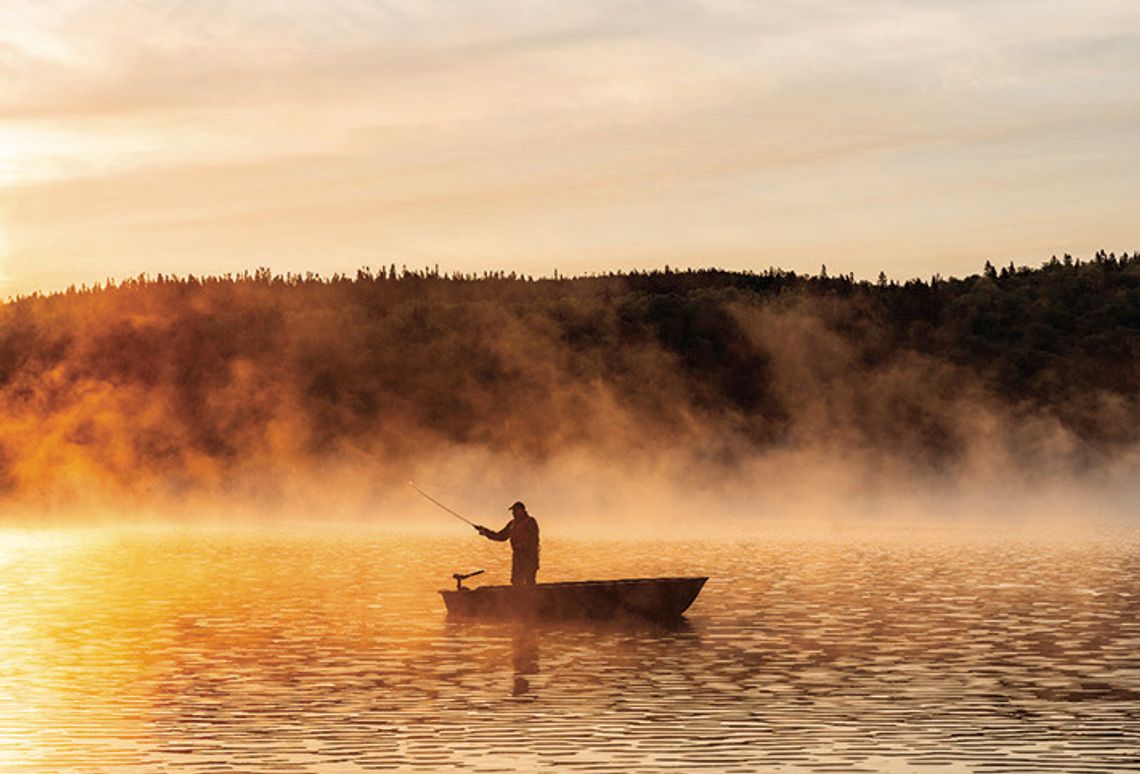
Fishing attracts millions of enthusiasts. The American Sportfishing Association says one in six Americans are anglers, which equates to more than of 50 million anglers nationwide. The fishing industry supports 826,000 jobs, and excise taxes collected on fishing gear and boat fuel help fund fish and habitat programs overseen by fish and wildlife agencies in the U.S. Canadians also love to cast a line, with an estimated five to eight million anglers throughout the country, according to Fisheries and Oceans Canada.
Although recreational fishing occurs year-round, the warmer months tend to be the most popular for gathering bait, rod and reel and heading to the nearest body of water. Fishing season begins to heat up in spring, even if the mercury hasn’t climbed too high just yet. Anglers who are chomping at the “bait” to get started should know that the right approach can help anyone make the most of a day by the water.
What’s biting?
Early spring is when warming waters make fish more active. Popular seasons for many species of fish begin at this time of year, although it is always best for anglers to check seasonal regulations where they live, which are managed by state departments of environmental protection. Regulations determine when seasons start and end, how many fish are allowed per angler, and the limitations on size for keepers or throwbacks.
Spring is considered one of the best times to catch trophy-sized largemouth and smallmouth bass. They move from deep wintering areas to shallow water for spawning. Crappies, trout, walleye, and northern pike also are popular spring season fish. For saltwater anglers, flounder, redfish, speckled trout, Spanish mackerel, cobia, and kingfish begin to be more active or closer to the shore as ocean waters warm.
Timing the trip
Although morning fishing excursions are popular, anglers may have to start a little later in the day for early spring fishing. According to Take Me Fishing, fish may not bite in early morning because the water is cold and will not heat up until later, when the sun is higher and the rays do not bounce off the water. It may be best to wait until afternoon or early evening when fish are eating a lot because their metabolisms are elevated and the water is warmer from the sun directly overhead. Timing trips to the outgoing tide also may help anglers see larger fish numbers.
Fishing seasons
The timing of fishing seasons varies widely by location and target fish species. According to Can-Fish, the southern United States start earlier than other regions, typically beginning in February to March because the warmer climate wakes fish early. The West Coast typically starts between March and April, while the Midwest and northern U.S. begin in April and May. Canadians may need to wait until May and June for fish to be biting, as harsh winters tend to push fish activity later.