.png)

 Don Gronning
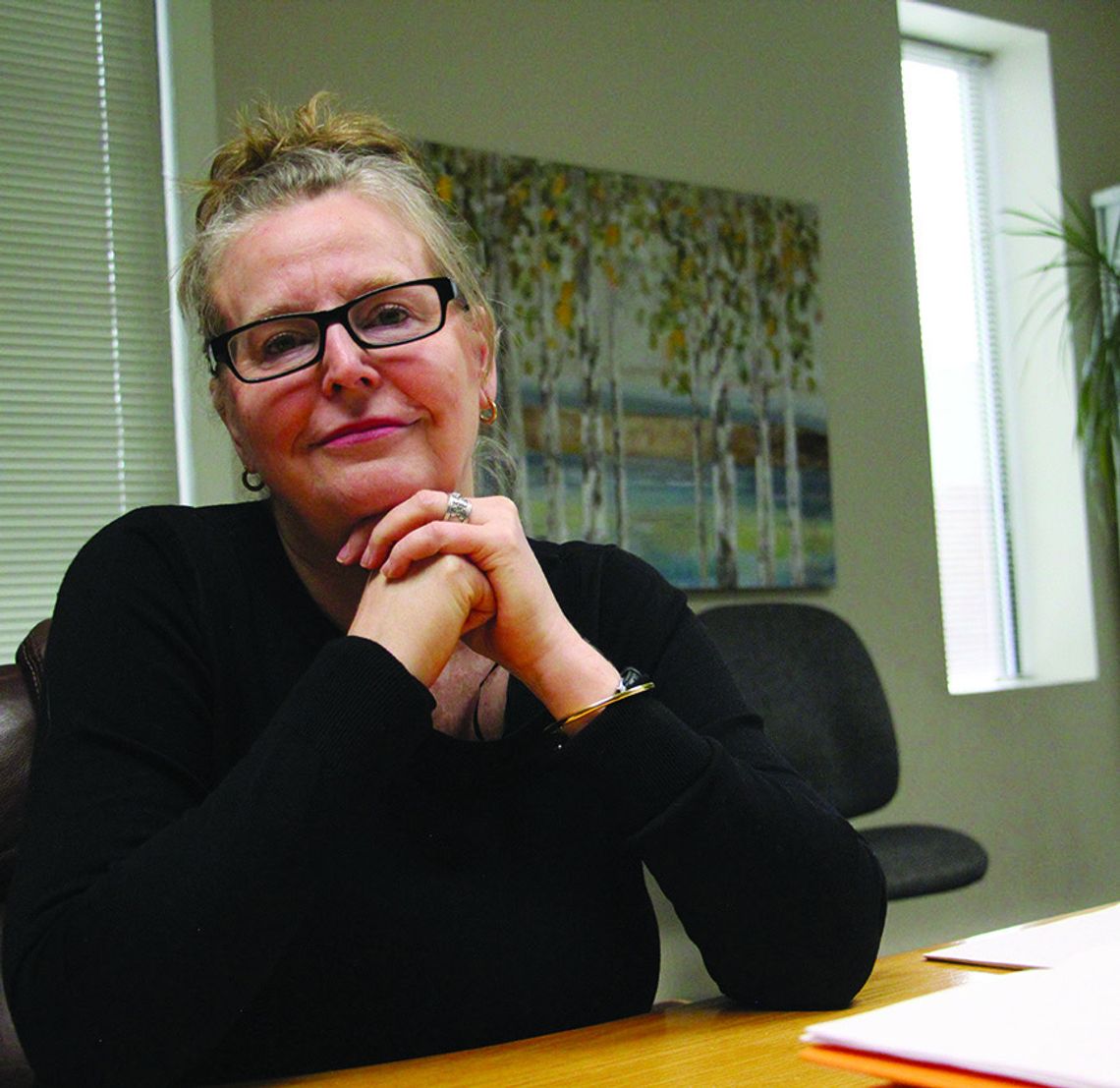
NEWPORT – Pend Oreille County Superior Court has far more civil court cases than criminal filings, something that’s true in the other two counties in the Tri County Judicial District.
“Generally, case filings in a given year, between Ferry, Stevens and Pend Oreille (counties), the Superior caseload are generally 75% civil and 25% criminal on the average,” Pend Oreille County Superior Court Judge Lisa Malpass says.
“I think it is important to know this because civil cases in a community have a broader impact as a whole,” she says. Civil cases include but aren’t limited to things like protection orders, unlawful detainers, minor guardianship, family law disputes, civil commitment, real estate disputes and other civil cases.
In 2025, there were 405 cases filed in Pend Oreille County Superior Court, with only 64 of those criminal cases, about 16%. The rest were civil cases, probate/ guardianship, adoptions/parentage, mental illness/alcohol, juvenile dependency and juvenile offender.
Malpass has extensive experience with civil cases,
udicial district.
both in her private practice and working with the firm Winston and Cashatt in Spokane, where she worked for about 10 years.
“Death, dying, disabled, deranged and sometimes divorcing,” she says. “That’s my affectionate forte, with some criminal.”
She said there are a lot of things that intersect with those areas.
Malpass was elected to the bench in November 2024 and started hearing cases in January 2025.
While she’s had some substantial criminal trials and sentencings, including a murder trial in Stevens County, she’s handled many civil matters.
“All year I’ve been doing bench trials, civil bench trials,” she says, referring to trials in which she decides the outcome, not a jury.
While Malpass has more experience in civil law, she also has a background in criminal law. Before she became a lawyer, she was a corrections officer and reserve sheriff’s deputy. When she was interning in law school and right after she passed the bar and became an attorney, she worked in the prosecutor’s office in Spokane, on a domestic violence joint task force.
While the forms, technology and personnel vary from county to county, state law doesn’t. But it has changed a little since she was most active as an attorney practicing criminal law.
Bail for instance is different.
“When I was doing it twenty some years ago, you started high and you work low,” she says regarding setting bail. “Now, you start (with) release and work up.”
She says she’s had pushback in another county for letting someone out. In that case it wasn’t a violent crime and the person has shown up for all appearances. “And actually, that person looks healthier, too.”
She says whether or not a bail is required, she is serious when she makes a deal with a defendant.
“It’s a trust issue,” she says. She appreciates it when people do come to court as promised, but if they don’t, “I’m kinda not trusting you to show (up for court).”
She says sentencing following either a guilty plea or conviction at trial, is also serious.
“I’m not sure if the public knows this, that when a prosecutor makes a deal with the defense, they can’t come off of that,” she says. The prosecutor can’t change the terms of the plea deal once it’s accepted and the person pleads guilty. The judge can, though.
“I will review the file and go, ‘why is there a plea?’” she says. She says sometimes she’ll ask the prosecution why she should accept the plea. “I want people to see the process as it works.”
Malpass’s highest profile criminal case was a first-degree murder trial in Stevens County where she sentenced a man to 35 years in prison last June after a jury found him guilty of shooting a man in the head at a homeless encampment in Colville.
She says she doesn’t like to give lectures to defendants, even when she is struck by the depravity of a crime.
“I don’t really give a lot of lectures,” she says. She says the system will determine the person’s future following sentencing. And personal opinion can also be seen as kicking someone when they’re down, she says.
“I will tell you that one sentencing I had, I said, ‘you know what, you owe your mother an apology,’” she says. “She’d show up in silent support, and he got up arrogantly and I’m like, this is your sentence, but you also owe that woman an apology.”
Malpass says something she learned as a corrections officer applies to serving on the bench, being firm, fair and consistent. People appearing in court are also people in the community.
“They’re the same people that go to your churches, your grocery stores, your communities and a lot of time in your county jails,” she says. “So, it’s very important to treat people like people.”
“All of us are one decision away from sitting in the same seat as the people that come (to court),” she says. “And maybe we’ve sat there.” Divorces, protection orders, probates, reckless driving. “I mean we’re not immune,” she says.