.png)

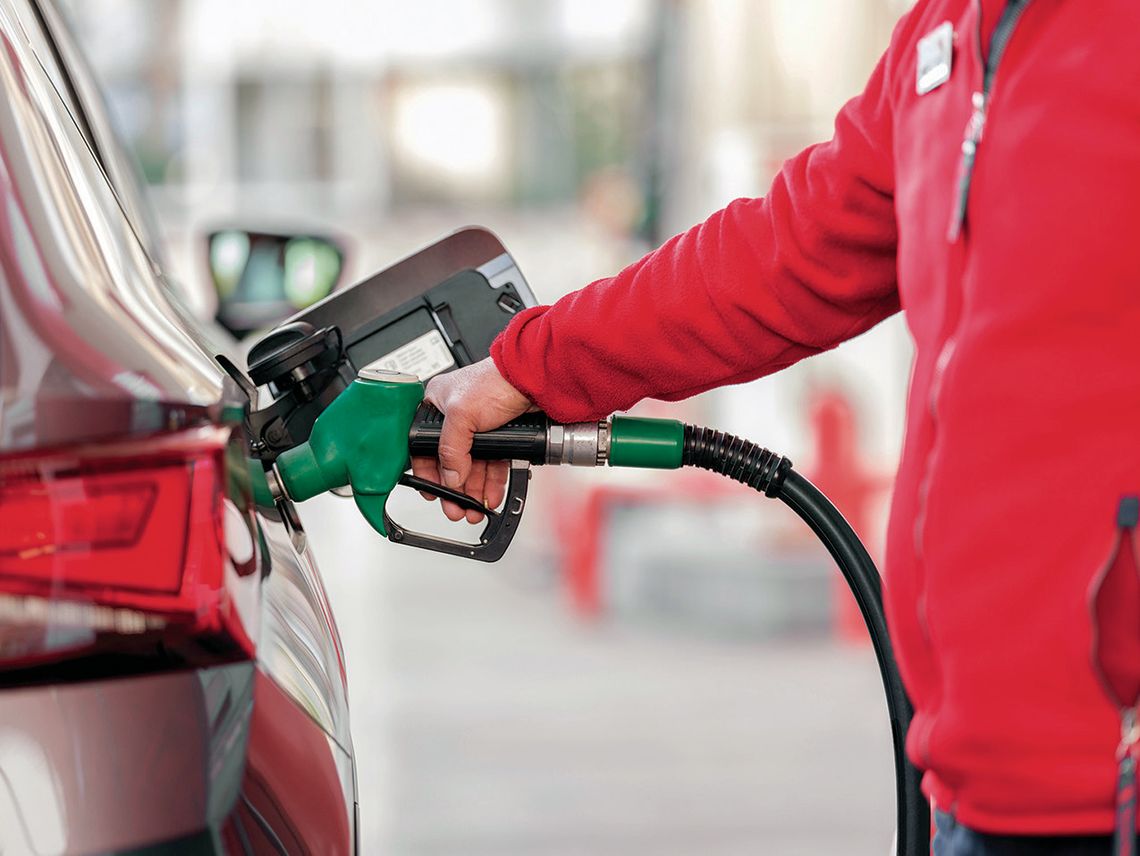
Conserving fuel as prices rise
Fuel is a necessity for millions of drivers on the country’s roadways.
According to a recent report from Experian Automotive, approximately 1.4 percent of the 292.3 million cars and trucks on the road in the United States in 2024 were electric. Even though the number of EVs is rising, there are still plenty of people behind the wheels of gas-powered vehicles that require routine fillups.
As of late March 2026, Canadian gas prices surged to an average of roughly $1.68-$1.86 per liter (there are roughly 3.785 liters in a gallon).
The national average gas price in the United States at the same time was $3.98 per gallon. When gas prices rise due to various factors, drivers are increasingly interested in ways to conserve fuel and stretch their dollars further. Here are some ways to mitigate rising gas prices.
• Reduce your speed.
Driving at moderate speeds increases efficient consumption of fuel. Some vehicles may feature an “ECO” mode that optimizes fuel consumption by restricting engine power, among other changes, or notifies the driver when they are driving in a manner that is using fuel wisely. Driving above 50 miles per hour reduces fuel economy considerably.
• Practice smooth driving. Drivers should avoid aggressive starts (gunning it) and hard braking, which can eat into fuel efficiency. Letting off the accelerator early and coasting to red lights or stop signs helps.
• Rely on cruise control. Cruise control helps maintain a steady speed, which can save fuel on highway travel.
• Keep tires inflated.
Properly inflating tires to the manufacturer’s recommended PSI can improve fuel economy by roughly 0.6 percent to 3 percent for most drivers, offers the U.S. Department of Energy. Driving on tires that are 20 percent under-inflated can reduce fuel economy by as much as 10 percent. Removing unnecessary heavy items from the vehicle also can help to reduce drag.
• Limit idling and combine trips. Turn off the vehicle when stopped for more than a few minutes.
When running errands, combine short trips to keep the engine warm, which is more efficient.
• Skip the premium fuel.
Unless a vehicle owner’s manual specifically recommends filling up with premium fuel, drivers will not see an increase in performance by choosing this more expensive option, offers Progressive Insurance. A person will just be paying more for premium, which is always more expensive than standard 87-octane fuel.
Drivers can use various strategies to conserve fuel when gas becomes more expensive.