.png)

Multinational, farm-by-farm study of regenerative agriculture offers validation, hope
Farmers across the U.S. who’ve adapted their methods to promote healthier soils, healthier foods and healthier humans are finding validation from a group of South Dakota scientists.
Regenerative agriculture practices were once seen as odd-ball methods promoted by a fringe few. Now, those methods are considered “best practices” by major food companies, and they’ve been deemed “critical” for future farmland viability by U.S. Secretary of Agriculture Brooke Rollins, who recently announced a pilot program meant to make it easier for the farmers who use them to get government funding.
Four years ago, a ragtag bunch of scientists from an independent research foundation in South Dakota set out to put sound science behind those practices. Teams from Ecdysis Foundation’s 1,000 Farms project have since visited operations across the U.S. and beyond, collecting more than 500 data points at each to measure how regenerative management practices have shaped the land.
“Farmers were telling us some pretty bold stories about what they were achieving that science said couldn’t be done,” said Jonathan Lundgren, who founded the Ecdysis Foundation 10 years ago.
He wanted to know if regenerative agriculture could deliver on its promises – to sequester carbon, reset water cycles, increase biodiversity, make food more nutritious and improve the well-being of farmers. If it’s worked, he thought, the proof could serve as a guidance for producers all over the world.
The goal is for Ecdysis to influence global food policy “from a farm in the middle of nowhere South Dakota,” Lundgren said.
Regenerative ranching
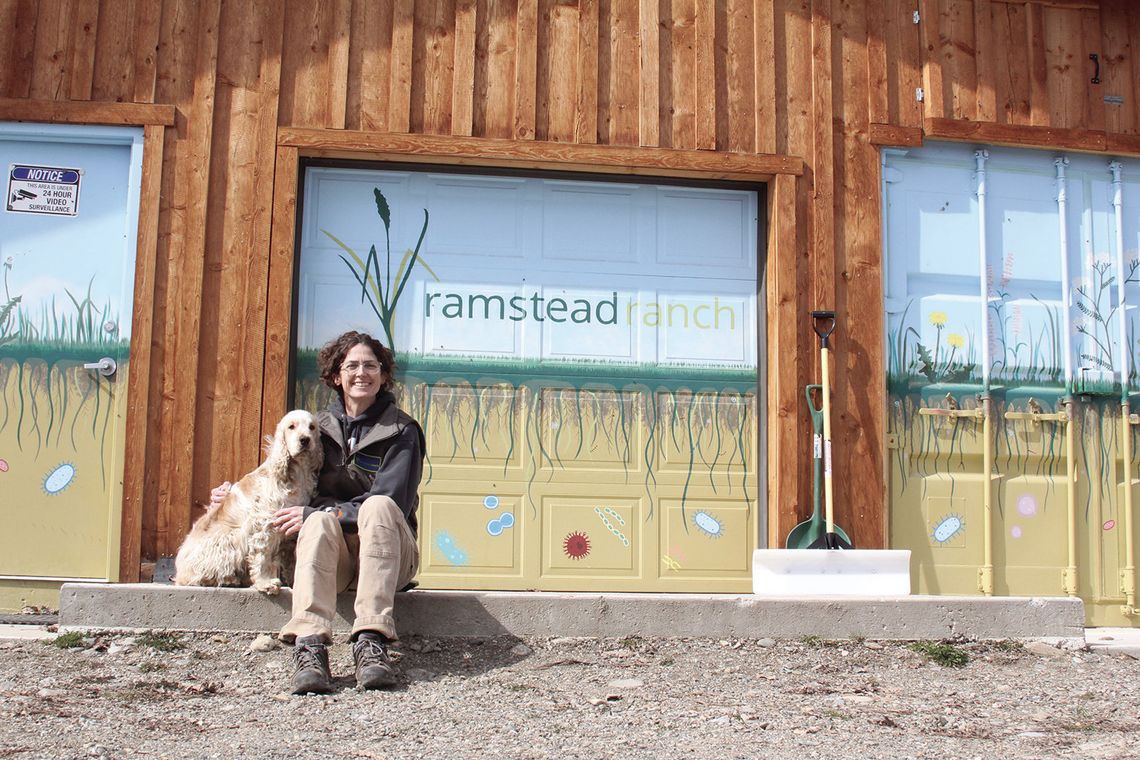
In fall 2024, the researchers traveled to northeastern Washington to a regenerative ranch nestled on the edge of the Colville National Forest.
At Ramstead Ranch, located south of Ione, Washington, the team did an extensive soil test on the microbial activity in the soil and measured organic matter at various depths. They also documented the insects, wildlife and plant life on the property as a measure of ecological diversity.
“Finally, someone is doing a scientific approach to this style of agriculture,” said Eileen Napier, one of three owners at Ramstead Ranch.
The 35-page booklet of results told her their operation is on the right track.
“It really validated what we’ve been doing,” she said.
Working with nature in an arid region where the growing season is short requires some adaptations. Grazing season runs from late April through mid to late October, so stockpiling grass for winter is difficult.
Rather than turn livestock out to large pastures all season, Ramstead Ranch divides the land into as many as 50 small paddocks, grazed for short periods of time. Animals sometimes move twice a day to let the grass rest and regenerate.
“It’s really all about the bounce back,” Napier said.
Rest is key. “That’s when the magic of regenerative agriculture happens,” Napier said. “It’s a rhythm.”
The manure and urine return nutrients to the soil. The action of their hooves improves the ground and helps plants grow.
“It’s like a massage for the earth,” Napier said.
They’re careful not to allow too much tromping, though, because that can cause compaction and limit growth.
The ranch’s owners are also working to improve water infiltration in their heavy clay soils. Growing cover crops is one approach, and this year they plan to grow more.
The results of the 1,000 Farms report were “motivating” for a ranch that’s worked to strike the right balance through trial and error.
“It’s like, ‘let’s keep going,’” Napier said. Back to grassland Much closer to the Ecdysis headquarters is a newly seeded pasture near Hudson in southeastern South Dakota run by Matt and Dawn Butzer. With a dream of running a herd of their own some day, the cattle buyer and his wife recently purchased nearly 100 acres of cropland and, last year, restored it back to native prairie grass.
Dawn Butzer grew up in southern Iowa, where “the world revolved around row crops.”
“I wanted the opportunity some day to do something different,” she said.
There’s a place for both crops and for cattle, she said, but she’d like to see farmers consider what’s best for their land, acre by acre. Grasses are better than row crops for wet riparian areas or hills that lose their topsoil in the blowing wind.
She likes that the Ecdysis Foundation measures the benefits through science.
“He’s putting the proof in the pudding,” Butzer said of Lundgren’s work.
Last spring, the Butzers seeded native forbs, and grasses including little and big bluestem in a field that had grown corn and soybeans for the better part of 50 or 60 years. By late summer, when the long grasses flowed in the wind and sunflowers reached to the sky, Butzer was so amazed at how much had grown in just one season it brought her to tears.
“It was like a dream come true,” she said. The native grasses will be left to grow for another year or two to get a foothold before cattle move in to graze. It’s already teeming with life.
Ecdysis researchers documented 22 bird species in the tall cottonwood trees that grow in a low area of the land. Butzer was happy to see her bird-identifying app pick up the sound of an indigo bunting and a blue grosbeak.
The work of the 1,000 Farms project has moved well beyond its namesake figure. It’s set to surpass 2,000 farm visits this year, with sites in 35 states, two Canadian provinces and a handful of foreign countries, including Ireland, Mexico and Australia.
One consistent theme they’ve found is the value of growing life on farms. The healthiest farms don’t only produce big yields and big cattle. They support a variety of life both above and below ground - hence the measure of birds, bugs and plant diversity. A hearty ecosystem has been shown to help farmers reduce costs of expensive inputs like fertilizer, herbicides and insecticides.
In a research article published last spring in Frontiers in Sustainable Resource Management, Ecdysis scientists described their sampling of cattle pats in regenerative and conventionally managed pastures in Minnesota, North and South Dakota. Regenerative pastures had low levels of insect pests, compared to their conventional counterparts, they found, even when the majority of conventional ranchers (76%) used insecticides to control pests. At the same time 11% of regenerative ranchers used those products. They relied on their management style to achieve similar results and saved money on inputs as a result.
Lundgren encourages farmers to assess every decision they make on whether it will remove life on the farm or increase it.
By studying farms in different regions, he found they were facing similar challenges and finding similar solutions. Overall, he’s found hope for the future.
“Farmers are showing us there’s a really vibrant future for food production,” Lundgren said.
A FORMER MINER NEWS EDITOR, JANELLE RETURNED TO HER PRAIRIE ROOTS WHERE SHE NOW EDITS TWO AGRICULTURAL PUBLICATIONS, TRI-STATE NEIGHBOR AND MIDWEST MESSENGER, WHILE RAISING KIDS, CHICKENS AND NO TILL VEGETABLES IN CENTRAL SIOUX FALLS, SOUTH DAKOTA. REACH HER AT [email protected].
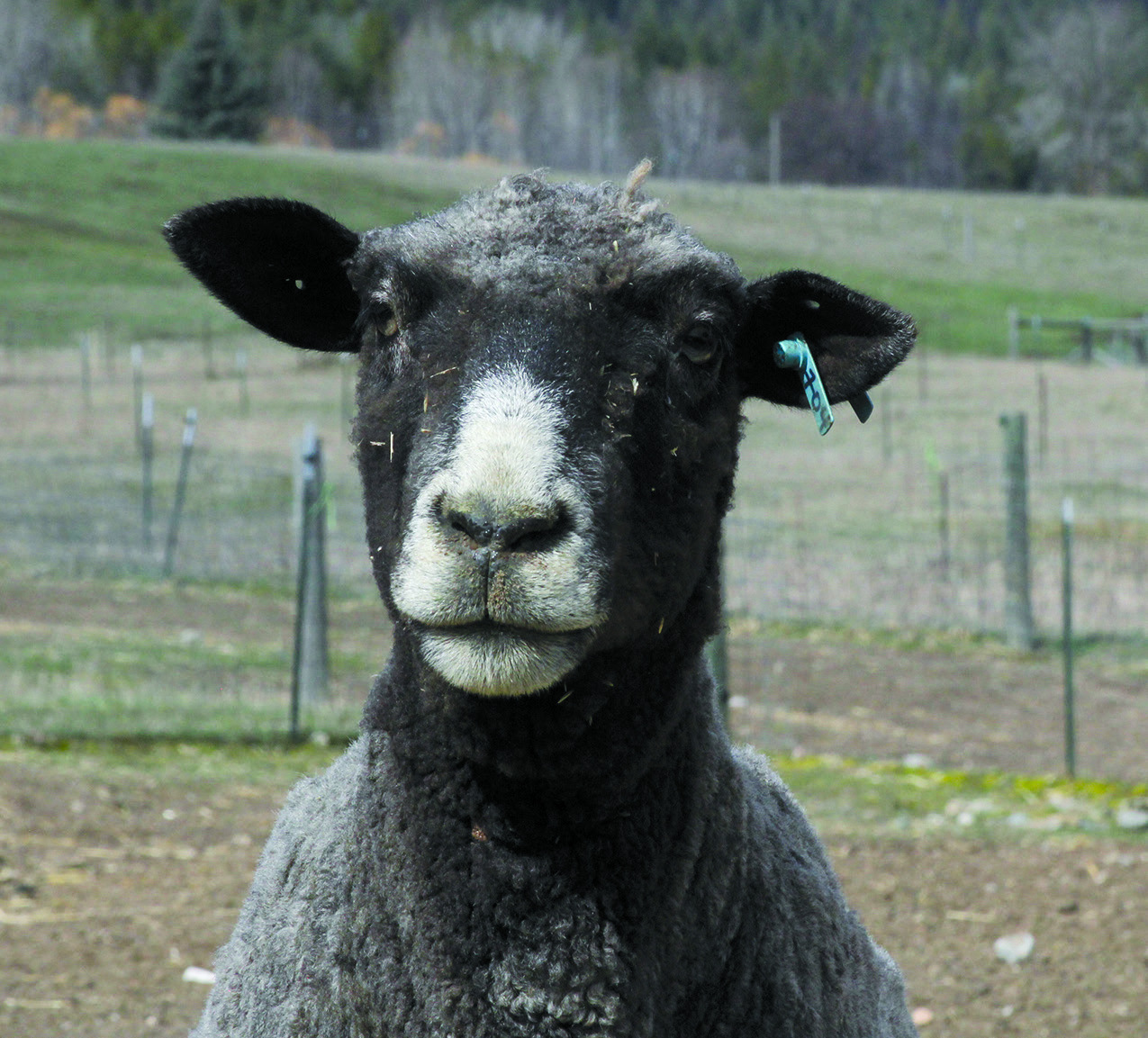
A ewe at Ramstead Ranch where they raise Romney sheep, which has good fiber for hand spinning. TRI-STATE NEIGHBOR PHOTO BY JANELLE ATYEO
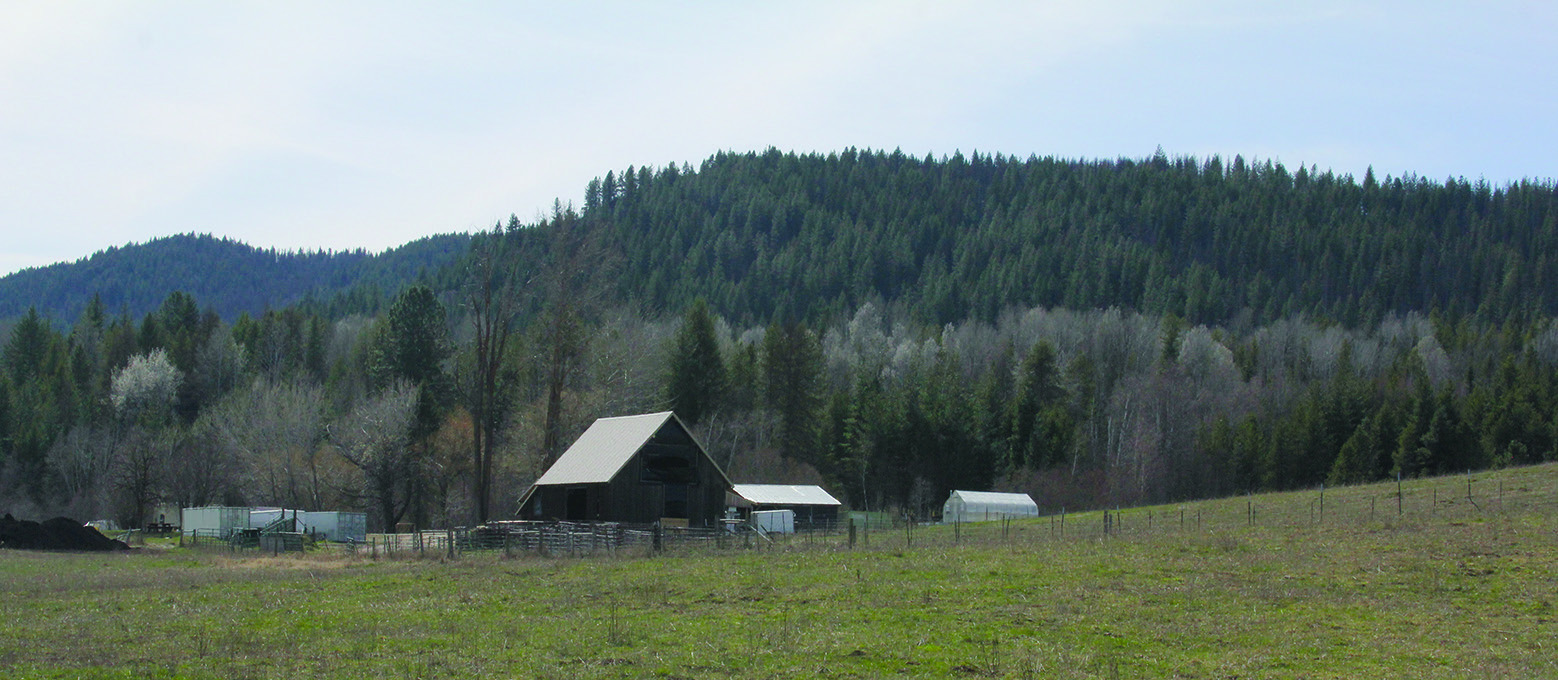
Ramstead Ranch is located in the Selkirk Mountains of northeastern Washington. TRI-STATE NEIGHBOR PHOTO BY JANELLE ATYEO