.png)

OLYMPIA – The Washington State Salmon Recovery Funding Board announced the award of $21.5 million in grants for projects to restore salmon habitat around the state.
In all, 75 grants were awarded to projects in 27 counties. The goal of the grants is to restore habitat to help struggling salmon populations statewide. Salmon were first designated as at risk of extinction in Washington state in 1991. Today, 14 populations of salmon and steelhead are listed under the federal Endangered Species Act.
“These grants are for projects to give salmon the clean, cold and plentiful water they need to survive,” said Jeff Breckel, chair of the Salmon Recovery Funding Board. “We’re moving rivers, adding logs to streams to slow the water and create habitat and removing barriers so salmon can swim to the ocean and back. This work helps more than just salmon. More natural flowing rivers reduces flood risk to cities and towns. Rivers with slower water reduce erosion. And removing barriers to fish migration can also reduce the risk of roadways being flooded. Everyone benefits with these investments.”
In Pend Oreille County, the Kalispel Tribe was granted a total of $901,289.
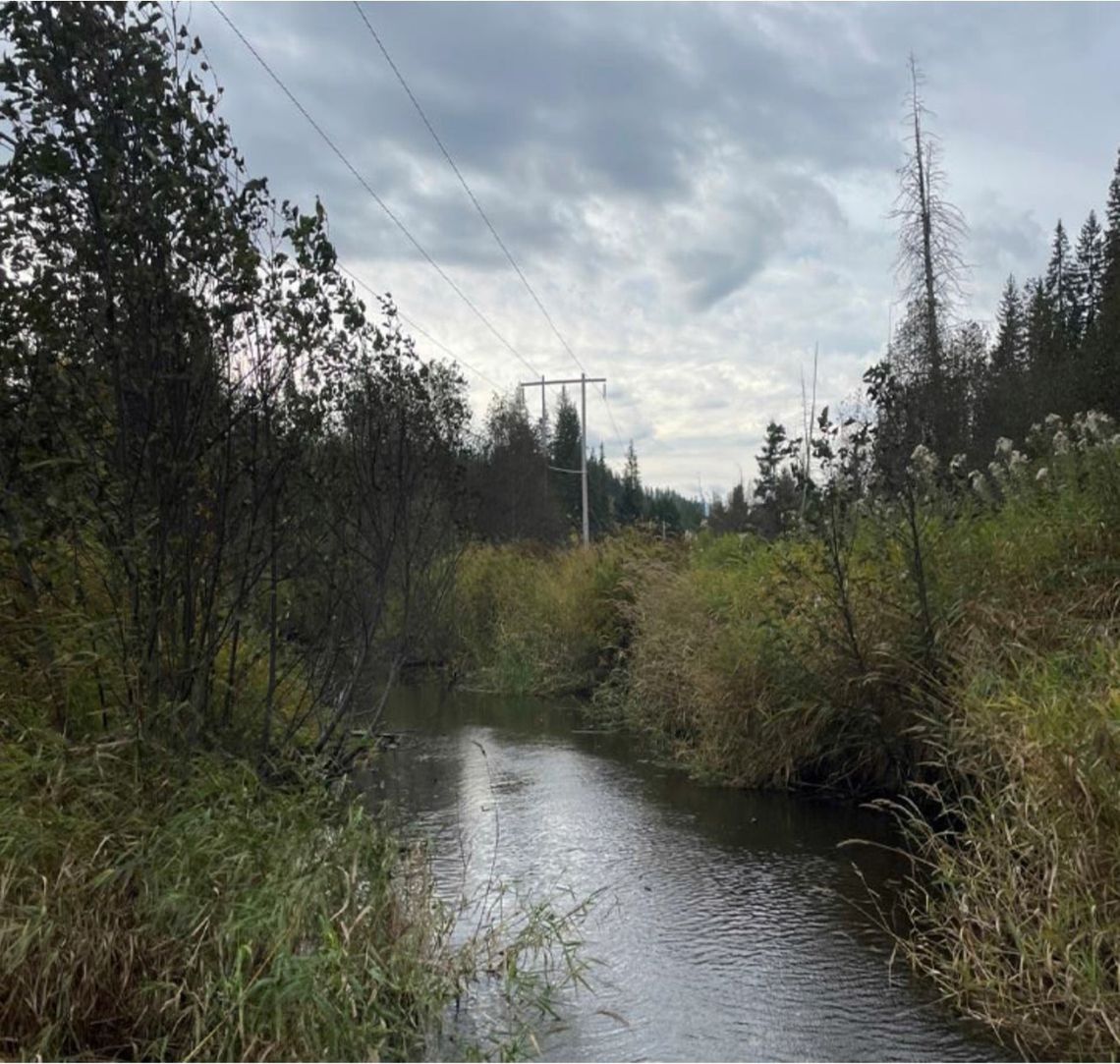
To plant the banks of Flume Creek, the tribe received a grant of $243,289. The tribe will use this grant to remove reed canary grass and replant with native trees and shrubs along a half-mile of Flume Creek.
These plantings shade the water, keeping it cool for fish. They also drop branches and leaves into the water, which provide food for the insects that salmon eat.
Finally, the roots of the plants keep soil from entering the water, where it can smother fish spawning gravel. The creek is used by westslope cutthroat trout and bull trout.
The tribe received an additional $323,000 to restore nearly a half mile of Flume Creek, which is a tributary of the Pend Oreille River.
Crews will add wood to the creek to slow the water and create places for fish to rest, feed, hide and spawn. Wood, along with a starter channel, also will reactivate an old channel to provide more habitat and floodplain connection. The creek is used by bull and westslope cutthroat trout.
Finally, a $335,000 grant supports the Kalispel Tribe’s Indian Creek Native Plant Nursery.
The nursery’s capabilities are limited to a handful of tree species. The tribe will buy a greenhouse, mobile irrigation system, electrified fencing system, and other plant propagation equipment to improve the nursery’s ability to grow a wide variety of trees, shrubs, and wetland sedges that will be better adapted to survive in the local environment.
These plants will be used on local restoration projects aimed at improving habitat conditions for bull trout and westslope cutthroat trout.
“The grants awarded go through a rigorous screening process,” said Megan Duffy, director of the Recreation and Conservation Office, which staffs the board. “They are prioritized by local communities, reviewed for scientific validity by local communities and the State and compete regionally for funding. This process ensures that the best and most likely- to-be-successful projects receive this important funding.”
Funding for the grants came from the board’s Salmon Recovery Program and its Riparian Grant Program, the federal Pacific Coastal Salmon Recovery Fund and the state Climate Commitment Act.